Client-home visit
Exposure
Animal injured while supervised
Policy/endorsement
Animal care/custody/control extension
Exclusion to check
Own animals versus client animals

Audit pet-sitting liability documents for client animals, third-party injuries and property entrusted to your business.
Use these checkpoints to frame the literal question before reading the full guide.
For pet sitter liability insurance, the crucial document is the endorsement covering animals and property in your care, custody or control. Read it alongside the general-liability form and service schedule. An owner’s pet-health policy and a certificate saying “insured” do not establish that your paid sitting activities are covered.
The sections below show how to verify the answer and what can change it.
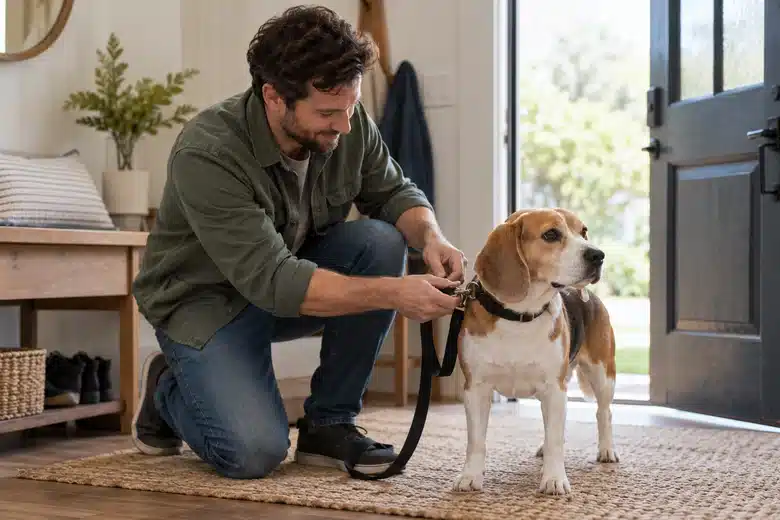
List visits at the client’s home, walking, overnight stays, medication assistance, key handling and transport separately. Record who performs each service: you, an employee, a contractor or an occasional helper. This inventory lets you compare the business description on the schedule with real operations, rather than assuming the phrase pet sitter includes every activity.
| Business activity | Exposure | Policy/endorsement | Exclusion to check |
|---|---|---|---|
| Client-home visit | Animal injured while supervised | Animal care/custody/control extension | Own animals versus client animals |
| Dog walk | Injury to a passerby or another animal | Bodily injury/property damage liability | Animal, location or handling restrictions |
| Key custody | Lost key or access-related property loss | Keys/property-in-care extension | Rekeying scope and sublimit |
| Medication assistance | Alleged error during care | Professional/service-error wording if offered | Medication, injection or medical-service exclusions |
| Driving a client pet | Road collision and animal injury | Auto liability plus animal transit wording | General liability automobile exclusion |
| Boarding in your home | Different premises and service exposure | Boarding/premises endorsement | Unlisted home boarding or capacity limits |
Pet Sitters International recommends checking care/custody/control protection for both client animals and property. That identifies the coverage question; it is not a statement that every commercial general-liability form contains the needed extension.
Pet Sitters Associates describes client-home sitting in its basic program and treats care in the sitter’s own home as an optional addition. Its FAQ distinguishes veterinary-expense benefits from negligence-dependent animal-injury liability. It also identifies automobile and own-pet exclusions. These are examples to check against the operative policy, not promises about an individual sitter’s contract.
| Document | Find this evidence | Record beside it |
|---|---|---|
| Declarations/schedule | Named insured, business activity, effective dates | Exact legal business name and premises |
| Liability coverage form | Who is insured and covered occurrences | Employees/contractors and territory wording |
| Animal endorsement | Definition of client animal and covered loss | Limit, aggregate and deductible |
| Professional-services wording | Service error if included | Specific included and excluded activities |
| Defense clause | Defense duty and expense allocation | Inside/outside limit; insurer control |
| Certificate of insurance | Evidence of issued coverage | Issuer and policy number; compare to actual forms |
Imagine a client’s dog escaping through a door during a visit and damaging a neighbor’s fence. The dog’s own injury and the neighbor’s property loss are separate alleged losses. Do not combine them under one assumed benefit. Identify whose property is damaged, who controlled the animal, what the sitter was hired to do and which coverage part could respond. The claims assessment, negligence question and exclusions remain unresolved until the contract and facts are reviewed.
A current program summary was reviewed, but no location-matched specimen, complete endorsements and schedule were obtained for a specific sitter. This guide therefore identifies exposures and evidence to collect; it cannot certify that a business or incident is insured.
The goal is protection against specified business losses and liability to others. It is not reimbursement for the sitter’s own dog’s unrelated illness, nor a guarantee against every unhappy client complaint. Preserve incident notes, agreed services and emergency permissions so the facts can be evaluated without reconstructing them from memory.
Do not treat the labels as interchangeable. Read the bond’s insured event and claimant alongside the liability form; one document does not prove the other protection exists.
It does not establish coverage for your business liability, damaged property or defense expenses. Review the sitter’s own appropriate documents.
This article does not imply that the specific animal, liability product, state or service discussed above is covered by the site's partner. If you are separately comparing medical insurance for U.S. domestic dogs or cats, the next button opens a separate quote route for that product; check the actual policy for eligibility and exclusions.